Surfing Beach: A Creative Font for Playful Designs
More Than Just a Typeface: The Personality of Surfing Beach
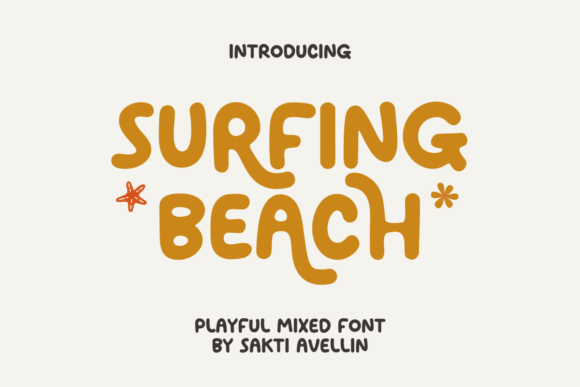
When you first encounter the Surfing Beach font, you don't just see letters—you feel a vibe. It’s the typographic equivalent of a perfect summer day: relaxed, cheerful, and full of energy. This isn't a rigid, corporate typeface; it’s a premium font with a distinct, lovable character. Its design is intentionally playful, featuring soft, rounded edges and a sense of movement that mimics the gentle roll of ocean waves. The true magic, however, is unlocked when you mix its upper and lower case letters. This combination creates a dynamic, rhythmic flow that feels handwritten and authentic, instantly injecting a dose of whimsy and approachability into any project.
Think of it as a display font with personality to spare. While it excels at grabbing attention, its charm is in its warmth. It doesn't shout; it invites. This makes Surfing Beach a standout choice for projects where you want to connect on a human level. It carries the informality of a handwritten font but with the consistency and polish of a professionally crafted typeface. Whether you're designing a logo for a new surf shop or creating social media posts for a bakery, this font brings an inherent sense of fun and creativity that more neutral fonts simply can't match.
Where Surfing Beach Truly Shines: Real-World Applications
The versatility of Surfing Beach is one of its greatest strengths. It’s a creative font that adapts beautifully to a wide range of mediums, making it a valuable addition to any designer's toolkit. Let's break down where it works best.
Arts, Crafts, and Personal Projects
For hobbyists, crafters, and DIY enthusiasts, Surfing Beach is a dream. Its friendly aesthetic is perfect for:
- Birthday party invitations: It sets a celebratory tone right away, making invitations feel personal and exciting.
- Scrapbooking and journaling: Add a touch of whimsy to headers, quotes, and captions that capture memories.
- Custom stickers and decals: Create eye-catching labels for planners, laptops, or water bottles.
- Greeting cards: Design heartfelt cards for any occasion where a personal touch is key.
The font’s legibility at various sizes ensures your handmade creations look polished and professional, even if they're made with love at your kitchen table.
Branding, Marketing, and Commercial Use
For entrepreneurs, marketers, and small business owners, selecting the right font is a critical part of building a brand identity. Surfing Beach excels for brands that want to project an image of being approachable, fun, and creative. It’s a fantastic commercial font for:
- Logo design: Ideal for businesses in the lifestyle, food, wellness, or creative sectors. It instantly communicates a relaxed and friendly brand personality.
- Packaging design: Makes products on the shelf feel more personal and artisanal, from coffee bags to cosmetic labels.
- Te apparel and merchandise: As mentioned, it's a natural fit for t-shirts, tote bags, and jazzy coffee mugs. Its playful lettering translates perfectly to fabric and ceramic.
- Social media graphics: Create scroll-stopping posts, stories, and headers that feel engaging and human. It pairs wonderfully with lifestyle photography.
Using a consistent, character-rich font like Surfing Beach across your touchpoints can significantly boost brand recognition and audience engagement. It tells a cohesive story about who you are as a brand.
Digital and Editorial Design
While it’s a powerhouse in print, Surfing Beach also has a place in web design and editorial design, though with some considerations. It’s not your font for body copy in a long-form article. Instead, use it strategically for:
- Blog headers and pull quotes: Break up text-heavy pages and draw the reader's eye to key points.
- Website banners and calls-to-action: Use it for short, impactful phrases that you want visitors to remember.
- Digital magazines and newsletters: Add personality to section headings and featured content titles.
Its effectiveness in digital spaces hinges on using it for display purposes where its unique character can shine without compromising the readability of longer text.
Integrating Surfing Beach into Your Design Workflow
Simply liking a font isn't enough; you need to know how to use it effectively. Here’s practical guidance for making Surfing Beach work for you.
Evaluating Project Fit and Font Pairings
Before you commit, ask: Does this font match the project's tone? Surfing Beach is perfect for a children's book cover or a beach café menu but would be a mismatch for a law firm's annual report. Its strength is in its informality.
One of the most important skills in modern typography is creating effective font pairing. Because Surfing Beach is a strong character font, it pairs best with something clean and neutral. Consider combining it with:
- A simple, clean sans serif font for body text. This creates a clear visual hierarchy, letting Surfing Beach command attention in headlines while the sans serif ensures easy reading for paragraphs.
- A classic, lightweight serif font for a more sophisticated yet still approachable contrast. This pairing can work well for lifestyle blogs or boutique branding.
Avoid pairing it with other overly decorative or script fonts, as this can create visual clutter and reduce readability.
Testing, Styles, and Licensing
Always test the font in context. Type out your specific headlines and phrases to see how the letterforms interact. Pay attention to kerning (the space between letters) and how the mixed-case style looks with your words. Check what styles are included—does it have bold, italic, or alternate characters? These extras can add valuable flexibility to your designs.
Finally, for any commercial project, ensure you have the correct commercial license. Most reputable font foundries and marketplaces offer clear licensing for personal and commercial use. Respecting the licensing not only keeps you legal but supports the type designers who create these wonderful design assets.
Ultimately, Surfing Beach is more than just a set of letters; it's a tool for storytelling. It helps you craft a message that feels joyful, creative, and genuine. By understanding its personality and applying it thoughtfully, you can let it transform your design adventures, making every project a little more fun and a lot more memorable.