Kids Zone: A Layered Font for Joyful, Playful Design
When a design project calls for a burst of pure, unadulterated joy, the typography you choose becomes your most powerful tool. It sets the entire emotional tone. For projects targeting families, children, or anyone who appreciates a whimsical aesthetic, a standard sans serif font often falls flat. This is where a specialized display font like Kids Zone enters the conversation. It’s not just another typeface; it’s a carefully crafted system designed to inject personality and color directly into your headlines and logos. Inspired by the vibrant, layered world of childhood, this premium font offers a unique approach that goes beyond simple letterforms, providing a complete toolkit for creators who need their work to feel energetic and inviting.
Understanding the Layered Approach and Visual Personality
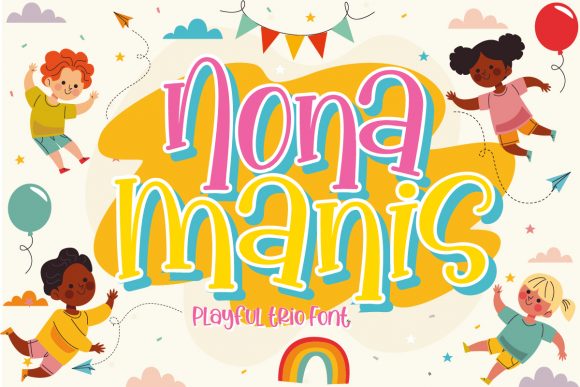
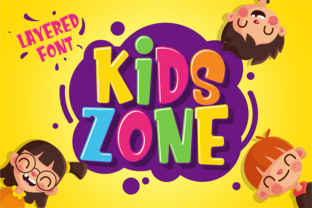
At its core, Kids Zone is a layered font. This means it’s actually a family of fonts designed to be stacked on top of each other in a design application like Adobe Illustrator or Photoshop. You typically get a base solid font, a shadow layer, an inline detail layer, and sometimes even a highlight layer. By combining these, you can create multi-dimensional, colorful text effects that pop off the page. The visual style is unmistakably playful—think rounded edges, bouncy baselines, and a generous, friendly weight. It avoids the sharp corners and rigid geometry of many modern typefaces, embracing a softer, more approachable handwritten font sensibility without sacrificing legibility. This character makes it an exceptional creative font for any project where the goal is to create an immediate sense of fun and approachability. It’s a far cry from a traditional serif font or even a neutral script font; its personality is front and center, making it a standout choice in a sea of more subdued design assets.
Where This Playful Font Truly Shines
The real-world applications for a font like Kids Zone are vast, particularly for professionals who understand the importance of context in design. Its strengths are most evident in projects where grabbing attention and conveying a specific, joyful mood is the primary objective. Consider its use across these common creative and commercial scenarios:
- Branding and Logo Design: For a children’s boutique, a daycare center, a toy store, or a family-friendly blog, using Kids Zone in a logo instantly communicates the brand’s niche and values. It builds a brand identity that is memorable and resonates with its target audience of parents and children.
- Marketing and Digital Content: Social media graphics for a parenting influencer, YouTube channel thumbnails for a kids’ activity channel, or promotional flyers for a summer camp benefit enormously from this font’s energy. It boosts audience engagement by matching the visual tone to the content’s spirit. The layered effect also creates stunning visuals for social media graphics that stand out in a crowded feed.
- Print and Packaging Design: Think about packaging design for children’s snacks, party supplies, or educational toys. The font’s bold, colorful layers make products leap off the shelf. It’s equally effective in editorial design for magazines or activity books aimed at a young demographic, ensuring headings are both eye-catching and easy to read.
- Personal and Commercial Projects: Beyond commercial use, crafters and hobbyists find immense value in it for creating custom t-shirt designs, birthday invitations, classroom materials, and personalized labels. Its versatility as a commercial font means it’s a valuable asset for small business owners creating their own promotional materials.
Practical Guidance for Implementation and Pairing
Choosing a font is only half the battle; implementing it effectively is what separates good design from great design. Before committing to Kids Zone, evaluate your project’s fit. Is the primary goal to be playful and loud? If your design requires a quiet, professional, or minimalist tone, this font will likely overwhelm the message. It’s a specialist tool, not a universal one.
Once you’ve decided it’s the right direction, consider the technical aspects. The layered nature means you’ll need to manage multiple text boxes aligned precisely, which requires a bit of patience but yields a high-impact result. Always test for readability at the size it will be viewed. While perfect for large headlines and logos, using it for body text would be impractical and strain the reader’s eyes. This is where smart font pairing becomes crucial. The playful personality of Kids Zone needs a calm, highly legible partner to create effective visual hierarchy. Pair it with a clean, geometric sans serif font like Poppins or Lato for body copy. This contrast allows the headline font to be the star while ensuring the supporting text remains clear and professional, enhancing overall readability and maintaining a balanced layout.
Finally, review the font package carefully. A quality premium font like this will often include more than just the basic layers—look for bonus graphics, alternate characters, and multilingual support. Understand the licensing terms for your intended use, whether it’s for a personal blog or a product line for sale. By treating Kids Zone as a strategic component of your broader modern typography toolkit, you can leverage its unique charm to create designs that are not only beautiful but also effective, consistent, and perfectly aligned with your project’s goals. It’s a powerful example of how the right display font can become the cornerstone of a compelling visual story.