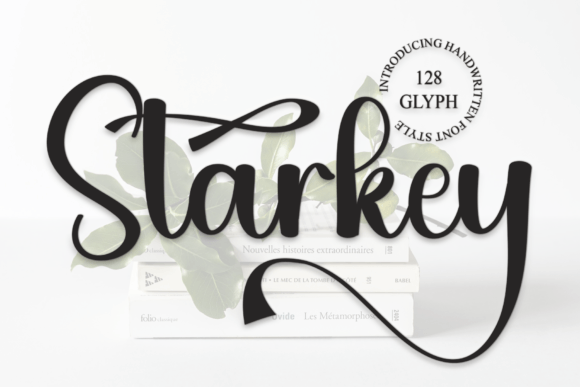
Starkey: A Handwritten Font for a Fresh, Casual Vibe
There's a particular kind of magic in a handwritten font that feels both personal and effortless. It doesn't shout; it speaks. That's the core appeal of Starkey, a charming typeface that brings a sense of casual elegance to any project. Its fluid strokes and organic lines aren't trying to be perfect—they're trying to be real. This makes it a versatile creative font for anyone looking to inject warmth and personality into their designs, from a small business owner crafting their brand identity to a blogger perfecting their social media graphics.
Understanding Starkey's Personality and Visual Style
At its heart, Starkey is a handwritten font that feels approachable. Unlike formal script fonts that can sometimes feel stiff or overly decorative, Starkey has a relaxed, flowing quality. The letters connect with a natural rhythm, mimicking the slight inconsistencies of real penmanship. This isn't a font that aims for robotic precision; its charm lies in its human touch. The typeface carries a fresh, modern sensibility—it's not a rustic or vintage script, but rather a clean and contemporary take on handwriting.
This style makes it incredibly effective for projects that need to convey authenticity. Think of a boutique coffee shop's logo, a wedding invitation suite, or the header of a lifestyle blog. Starkey works because it feels genuine. It suggests a brand or an individual that is creative, down-to-earth, and values connection over formality. When you use Starkey, you're not just choosing a display font; you're adopting a specific tone of voice for your visual communication.
Where Starkey Truly Shines: Practical Applications
The true test of any premium font is its versatility. Starkey holds up remarkably well across a wide spectrum of projects, both digital and print. Its strength lies in its ability to adapt to the context while maintaining its core personality.
- Branding and Logo Design: For small businesses, especially in the lifestyle, wellness, food, or creative service sectors, Starkey can form the cornerstone of a warm and inviting brand identity. It’s excellent for logos, wordmarks, and taglines. However, it’s wise to pair it with a clean sans serif font for body text to ensure overall readability in applications like business cards or websites.
- Marketing and Social Media: In the crowded space of social media graphics, a font like Starkey helps posts stand out. Use it for quotes, announcements, or promotional text on Instagram stories, Pinterest pins, or Facebook ads. Its casual vibe is perfect for engaging a community and feels native to these platforms. It’s also a strong choice for email newsletter headers or sale graphics that need a personal, urgent feel.
- Publishing and Editorial Design: While not suited for long-form book text, Starkey is fantastic for editorial design accents. Think magazine pull quotes, chapter titles in a cookbook, or stylized headings in a design portfolio. It adds a layer of visual interest and breaks the monotony of standard serif or sans serif layouts.
- Packaging and Product Design: On physical goods, Starkey can communicate artisanal quality. Imagine it on a candle label, a jam jar, or a clothing tag. It tells the customer that care and a human touch went into the product. This is where packaging design meets storytelling.
- Personal Projects and Crafting: For hobbyists and crafters, Starkey is a gem. It’s perfect for creating custom quotes for wall art, designing personalized stationery, or adding a unique touch to scrapbooking projects. Its approachable style makes it easy to work with for non-designers.
Integrating Starkey into Your Design Workflow
Choosing a font is just the first step. Using it effectively requires a bit of strategy. Here’s how to approach Starkey in your projects.
Evaluating the Fit and Testing Pairings
Before committing, ask: Does this font's personality match the message I need to send? Starkey is great for friendly, approachable, and creative brands. It might not be the right choice for a corporate law firm or a luxury automotive brand where a different kind of sophistication is required. Always consider your audience.
Font pairing is critical. Because Starkey is a script font with high character, it needs a partner that provides balance. A simple, geometric sans serif like Montserrat or Poppins often works beautifully. The contrast allows Starkey to headline while the secondary font handles the heavy lifting of paragraphs, ensuring your design remains professional and legible. Avoid pairing it with another ornate or highly stylized font, which can create visual chaos.
Readability and Hierarchy Considerations
Legibility is non-negotiable. While Starkey is quite readable at larger sizes, avoid setting long sentences or paragraphs of body copy in it. Its fluidity can make dense text challenging to read. Instead, use it for short bursts of text: headlines, subheads, pull quotes, or call-to-action buttons. This creates a clear visual hierarchy, guiding the viewer's eye naturally through your design. In web design, ensure there's sufficient contrast between the font color and the background.
Licensing and Final Checks
Starkey is a commercial font, which means you need to purchase the appropriate license for your use case—whether it's for a single client project, a website, or merchandise you plan to sell. Always review the license agreement from the foundry or distributor. Most reputable sources will offer clear terms for desktop, web, and app use. Checking for included styles (like alternates or ligatures) can also unlock more creative flexibility in your projects.
In the end, Starkey is more than just a collection of letters. It’s a design asset that can help tell a story. By understanding its strengths and using it thoughtfully, you can leverage this handwritten font