Peggy Spring: A Handwritten Font with Character
There's a particular warmth that a handwritten font brings to a design, a human touch that polished, geometric typefaces can't replicate. It's the feeling of a note left on the counter, a signature on a thank-you card, or a playful message scrawled on a chalkboard sign. Peggy Spring is a premium font that captures this feeling perfectly, offering a blend of elegant flow and casual charm that makes it a versatile tool for a wide range of creative projects.
Understanding the Visual Personality of Peggy Spring
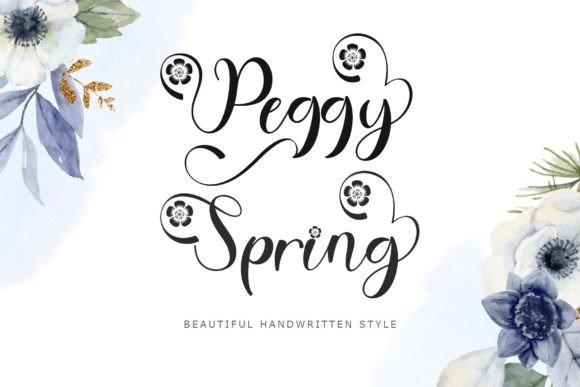
At its core, Peggy Spring is a script font that feels both organic and intentional. The letterforms connect with a natural, flowing rhythm, reminiscent of skilled hand-lettering. It avoids the overly formal, copperplate style of some traditional scripts, instead opting for a more relaxed and approachable character. You'll notice subtle variations in stroke width that give it life, but it maintains enough consistency to remain highly legible. This isn't a chaotic, messy scrawl; it's a thoughtful, elegant handwritten font designed for clarity and impact.
The font's personality is its greatest strength. It speaks of springtime breezes, friendly conversations, and creative energy. This makes it an excellent choice for projects that need to convey warmth, authenticity, and a touch of whimsy. Think of the difference between a sterile, automated message and one written by hand—the latter always feels more personal. Peggy Spring injects that same personal quality into your brand identity and communications.
Where Peggy Spring Truly Shines: Practical Applications
Knowing a font's aesthetic is one thing; understanding where to apply it is where the real design strategy comes in. Peggy Spring's versatility is impressive, but it excels in specific contexts where its personality can be fully appreciated.
Branding and Logo Design
For small businesses, artisans, and personal brands, a logo needs to be memorable and reflective of the brand's soul. Peggy Spring works wonderfully as the primary wordmark or as a complementary accent font for a boutique, a florist, a wedding planner, or a lifestyle blogger. Its charm helps build an immediate emotional connection with the audience. When used in logo design, it establishes a friendly and approachable brand identity from the very first glance. Pair it with a clean, simple sans serif font for body text to create a beautiful and readable contrast.
Marketing and Social Media Graphics
In the fast-scrolling world of social media, grabbing attention is paramount. Peggy Spring is a fantastic display font for headlines on Instagram posts, Facebook ads, and Pinterest pins. Use it for quotes, promotional announcements, or event invitations to stop the scroll. Its visual appeal makes it perfect for creating social media graphics that feel curated and professional. For a cohesive look, ensure the rest of your text uses a highly readable serif font or sans serif font to provide necessary structure.
Print and Packaging Design
The applications extend beautifully into the physical world. Imagine Peggy Spring on the label of a artisanal jam jar, the sleeve of a handmade soap, or the packaging for a small-batch candle. It instantly communicates a story of care and craftsmanship. For packaging design, it adds a layer of perceived quality and personality. Beyond products, it's ideal for editorial design elements like pull quotes in a magazine or chapter titles in a cookbook, adding visual interest to the page layout.
Digital and Web Design
While primarily a display font, Peggy Spring can be used thoughtfully in web design. It's perfect for hero section headlines, call-to-action buttons that need to stand out, or decorative elements on a landing page. However, readability on screens is key. Reserve its use for short, impactful phrases rather than long paragraphs of body copy, where a standard web font would be more appropriate.
Working with Peggy Spring: A Designer's Guide
Integrating any new creative font into your toolkit requires a bit of strategy. Here’s how to get the most out of Peggy Spring.
First, explore the full character set. This premium font includes uppercase and lowercase letters, but its true magic often lies in the details: ligatures and swashes. Ligatures are special character combinations (like 'th' or 'fl') that connect smoothly, preventing awkward spacing. Swashes are the decorative flourishes that can be added to the beginning or end of words. Using these features intentionally can elevate a simple design into something special. Always check for multilingual support if your audience is international.
Next, master font pairing. A common mistake is using two expressive fonts that compete for attention. Peggy Spring has a strong voice, so it needs a quiet partner. A geometric sans serif font like Montserrat or a classic serif font like Lora provides a stable, readable foundation. The contrast in styles creates visual hierarchy and ensures your message is both beautiful and clear.
Finally, consider the practicalities. If you're using Peggy Spring for client work or commercial products, verify the licensing. Most commercial font licenses cover a wide range of uses, but it's always best to confirm. Test the font at the size it will be used. A headline that looks stunning at 72 points might lose its charm at 12 points. Conducting these small tests ensures your final design is polished and professional.
The Final Word on This Creative Asset
Peggy Spring is more than just a set of letters; it's a design asset that helps tell a story. It bridges the gap between digital precision and human touch, making it a valuable addition to any designer's, marketer's, or entrepreneur's library. By understanding its personality and applying it in the right contexts, you can create work that feels more connected, authentic, and engaging. It’s a testament to how the right typeface can subtly but powerfully shape how an audience perceives a message.