Retro Stacked: Injecting Nostalgic Energy into Modern Design
If you have spent any time scrolling through design blogs or browsing packaging templates recently, you have likely noticed a distinct shift away from sterile, minimalist sans-serif fonts toward something with a bit more personality. We are seeing a resurgence of bold, expressive typography that demands attention. One standout example in this wave of modern typography is Retro Stacked. It is not just another display typeface; it is a specific mood and a creative tool designed for projects that need a cheerful, high-energy accent. Whether you are a brand strategist looking to refresh a visual identity or a hobbyist working on a scrapbook, understanding how to leverage this specific style of font can be a game-changer for your visual hierarchy.
The Anatomy of a Cheerful Typeface
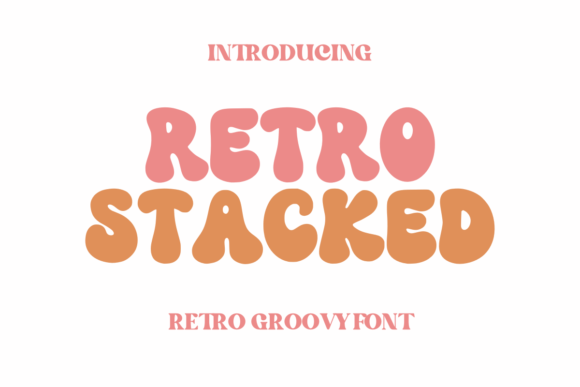
To understand why Retro Stacked works so well for specific applications, we have to look at its visual DNA. At its core, this is a display font. This means it was never intended for long blocks of body copy; rather, it is built for headlines, logos, and short bursts of text that need to be read from a distance. The defining characteristic here is the vertical stacking capability. Unlike traditional horizontal type, Retro Stacked allows designers to build text upwards, creating a solid, block-like shape. This is incredibly useful for logo design and packaging design, where physical space is often limited—think the spine of a book or the side of a coffee bag.
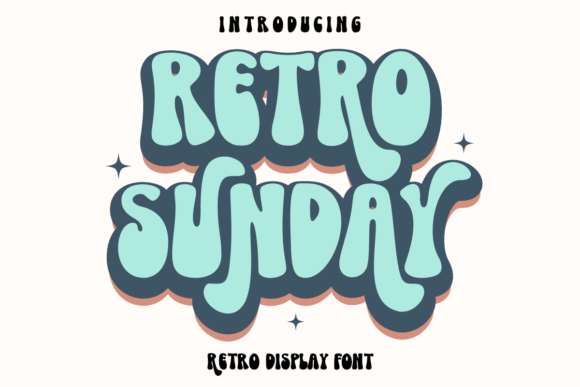
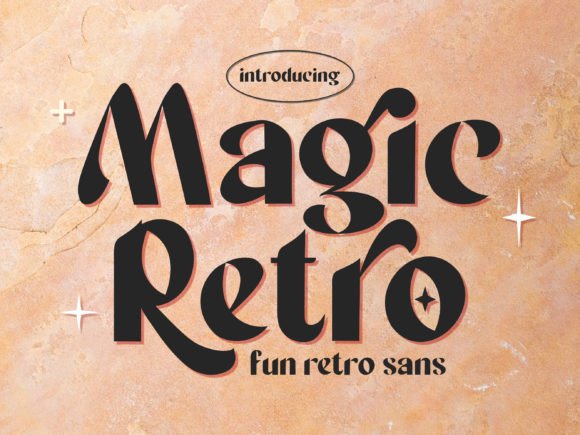
Visually, the font leans heavily into nostalgia. It evokes the spirit of vintage travel posters and 1970s groovy aesthetics without feeling dated. The letterforms usually feature rounded edges and bold strokes, giving off a friendly and approachable vibe. It sits in a unique space between a serif font and a sans serif font, often utilizing decorative swashes or inline details that give it character. Because it is a premium font, the kerning (the spacing between letters) is usually optimized to look perfect when stacked, ensuring that the letters lock together like puzzle pieces. This attention to detail is what separates a commercial font like this from free alternatives; it provides a level of professionalism and cohesion that is hard to replicate manually.
Strategic Applications: From Book Covers to Brand Identity
Knowing what a font looks like is one thing; knowing where to use it is where the strategy comes in. The versatility of Retro Stacked lies in its ability to adapt to various mediums while maintaining its core personality. Here is how different professionals can utilize this creative font:
- Publishing and Editorial Design: For book covers, particularly in the young adult, comedy, or lifestyle genres, this font acts as an immediate genre signal. It tells the reader that the content inside is fun, lighthearted, and engaging. It works exceptionally well for chapter titles or pull quotes in editorial design, breaking up the monotony of standard body text.
- Merchandise and Apparel: T-shirt design and tote bags thrive on bold, readable graphics. Because Retro Stacked creates a compact shape, it is ideal for center-chest prints. It creates a focal point that is instantly recognizable, which is crucial for brand identity on merchandise.
- Digital Presence and Social Media: In the fast-scrolling environment of Instagram or TikTok, social media graphics need to catch the eye in under a second. A bold, stacked headline creates a strong visual anchor. It also pairs surprisingly well with web design when used for hero section headlines, provided the background isn't too cluttered.
- Small Business and Packaging: If you are selling artisanal goods, craft supplies, or baked goods, the font communicates "handmade" and "artisanal" without looking messy like a script font or handwritten font might. It suggests care and quality, elevating the perceived value of the product.
Mastering Visual Hierarchy and Pairings
One of the biggest mistakes I see in modern typography is the overuse of decorative fonts. If everything is screaming for attention, nothing is heard. Retro Stacked is a dominant visual element, so it requires a supporting cast to function effectively. This is where font pairing becomes critical.
Because Retro Stacked is bold, textured, and complex, it demands a partner that is quiet, clean, and legible. A simple geometric sans serif font is usually the best choice here. Think of fonts like Montserrat, Lato, or Helvetica. The clean lines of the sans-serif will contrast with the playful curves of the stacked font, creating a dynamic tension that guides the viewer's eye. Avoid pairing it with another serif font or a script font, as this will create visual clutter and make your design look amateurish.
When applying the font, pay close attention to hierarchy. Use Retro Stacked exclusively for your H1 headers or main call-to-action text. Use your secondary sans-serif for sub-headers and body copy. This structure ensures that your visual hierarchy is logical. The viewer sees the big, fun headline first, then naturally moves to the smaller, informative text. This balance is essential for audience engagement—it invites them in with personality and informs them with clarity.
Practical Implementation and Licensing
Before you download and install, it is worth taking a moment to evaluate the technical specifications of your chosen design assets. Since Retro Stacked is a premium font, it often comes with multiple stylistic sets or alternates. Open up your character panel in Illustrator or Photoshop and explore these options. You might find alternate swashes or ligatures that allow you to customize the look further, ensuring your design feels unique.
Readability is another key factor. While the font is designed to be legible, "stacked" layouts can sometimes be tricky if the contrast is too low. Ensure there is sufficient contrast between the text color and the background. If you are using it for web design, test it on mobile devices; sometimes, stacked layouts can become too small to read on smaller screens, so you may need to adjust the font size or switch to a horizontal layout for responsive breakpoints.
Finally, respect the licensing. If you are using this for a commercial font project—meaning anything that generates revenue, from a client logo to a t-shirt you sell on Etsy—ensure you have the appropriate license. Most premium font licenses cover desktop use, but if you plan to use it for web design via @font-face or embed it in an app, you may need an extended license. Checking this upfront protects you legally and ensures you are supporting the type designers who create these high-quality tools.
In the end, Retro Stacked is more than just a font; it is a design strategy. It is for the creator who wants to move away from the generic and inject a sense of fun and history into their work. By using it thoughtfully, pairing it wisely, and applying it to the right contexts, you can turn a standard layout into something that truly resonates with your audience.