Magic Retro: The Typeface That Brings Vintage Soul to Modern Design
There’s a certain weight to the past—a texture in old signage, a confidence in mid-century advertisements, and a warmth in hand-painted shop fronts that digital precision often misses. For designers and creators seeking to channel that authentic, lived-in character, the right typeface is more than a tool; it's a time machine. Magic Retro is a premium display font built for exactly this purpose, offering a bold, nostalgic voice for projects that need to stand out with genuine vintage charm.
More Than Nostalgia: Understanding the Font's Character
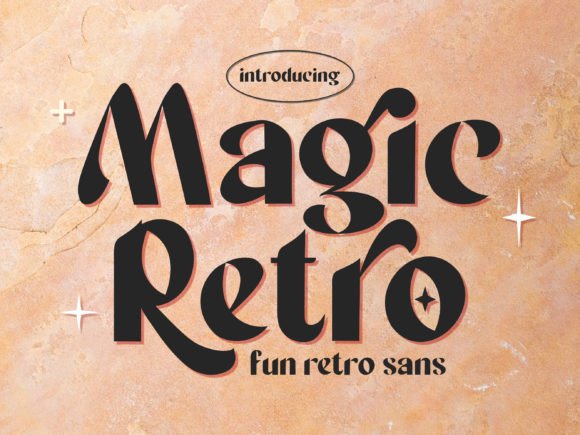
At first glance, Magic Retro feels familiar, like a favorite record sleeve or a well-worn book cover. It’s a serif font, but not of the stiff, academic variety. Its serifs have personality—sometimes slightly rounded, sometimes with a subtle wedge—giving each letterform a distinct, almost handcrafted presence. The strokes carry a satisfying contrast, with thick, confident verticals and thinner, nuanced horizontals. This isn't a delicate script; it's a creative font with the presence of a headline act.
The overall appeal lies in its balanced imperfection. It avoids the over-polished look of some modern typefaces, instead embracing the slight irregularities that give vintage design its soul. This makes it incredibly versatile for evoking different eras. With the right color palette and layout, it can feel like 1950s Americana, 1970s psychedelic rock, or 1980s arcade culture. Its personality is bold and declarative, perfect for making a statement without saying a word.
Where Magic Retro Truly Shines: Practical Applications
Knowing a font looks great is one thing; knowing where to use it effectively is another. Magic Retro excels as a display font, meaning it’s built for impact at larger sizes. Think of it as the headline writer, not the body copy clerk.
- Logo Design & Brand Identity: This is where Magic Retro can become the cornerstone of a brand identity. It’s ideal for businesses that want to project authenticity, heritage, or a handcrafted ethos. Imagine it for a craft brewery, a vintage clothing boutique, a barbershop, or a specialty coffee roaster. The font itself tells a story of quality and tradition.
- Editorial & Packaging Design: In editorial design, it commands attention for magazine covers, chapter headings, or pull quotes. For packaging design, it adds instant shelf appeal and a sense of established credibility, perfect for artisanal food products or specialty spirits.
- Digital & Social Media: Don’t relegate it to print. As a creative font, it can make web design headers and social media graphics pop. It’s particularly effective for YouTube thumbnails, Instagram quotes, and website hero sections where you need to grab attention in a split second.
- Personal Projects & Merchandise: For crafters and hobbyists, Magic Retro is a fantastic design asset for T-shirt prints, poster art, greeting cards, and vinyl decals. Its boldness ensures it remains readable even on textured fabrics or from a distance.
Designing with Retro: Practical Tips for Success
Integrating a strong character font like Magic Retro requires a thoughtful approach to ensure it enhances, rather than overwhelms, your project.
Font Pairing is Key
A font pairing strategy is essential. Magic Retro’s strong personality means it often works best with a cleaner, more neutral companion. Pair it with a simple sans serif font for body text to create a clear visual hierarchy. The contrast allows the retro font to command the headline while the sans serif ensures the supporting text remains highly readable. Avoid pairing it with another ornate script font or handwritten font, as this can create visual competition and reduce clarity.
Testing for Readability and Context
Always test your chosen styles in context. Readability considerations are paramount. While perfect for large, bold headlines, using Magic Retro for long paragraphs or small-sized text will likely hinder legibility. Check the font’s commercial font license to ensure it covers your intended use, whether for a personal blog or a client’s commercial product line. Review the included styles—does it have the weights (regular, bold) or italics you need?
Evaluating Project Fit
Ask yourself: does the project’s core message align with the font’s inherent personality? Magic Retro isn’t just a component of design; it’s a declaration. It signals a preference for the timeless over the trend-driven. If your goal is ultra-modern minimalism, this might not be the right fit. But if you’re building a brand identity around authenticity, craftsmanship, or a specific historical vibe, it becomes an invaluable ally. It doesn’t just decorate a design; it helps define its very essence, ensuring every stroke whispers a story of days gone by, perfectly suited for the present.