Gemola: The Elegant Serif for Modern Designers
There's a particular challenge in typeface selection that many of us face: finding a font that feels both timeless and contemporary. You want the gravitas of a classic serif, but without the stuffiness. You need a modern edge, but not at the expense of warmth and personality. It’s a fine line, and stepping over it in either direction can make a project feel dated or sterile. This is the exact space where a premium font like Gemola operates, and why it’s worth a closer look.
A Typeface with Romantic Intent and Luxurious Results
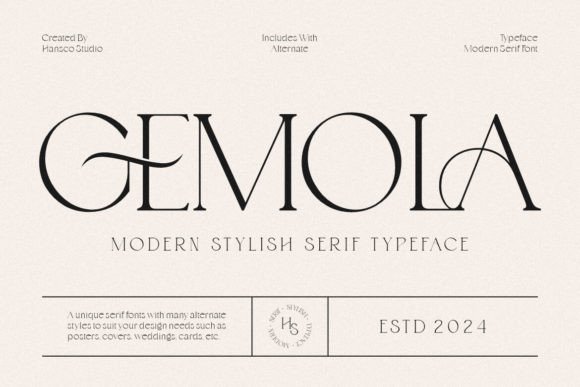
At its core, Gemola is a display serif font, but that simple classification doesn’t capture its essence. Its creation was inspired by a concept of romantic vibes, and that intention is visible in its construction. You’ll notice the elegant, flowing curves in its serifs and terminals, which lend a sense of softness and approachability. Yet, these are balanced by strong, confident stems and a generally structured form. This duality is its strength—it’s a creative font that feels luxurious and sophisticated without being cold or overly formal.
What does this mean for your projects? In practical terms, Gemola brings a specific kind of visual personality. It’s not a loud, attention-grabbing script font. Instead, it speaks with a quiet confidence. The letterforms have a noticeable modern typography influence; the spacing feels deliberate, and the proportions are harmonious. This makes it incredibly versatile. It can serve as the elegant cornerstone of a brand identity for a boutique hotel or a high-end skincare line, or it can add a touch of refined style to a wedding invitation suite. The "luxury style" isn't about being ostentatious; it’s about achieving a polished, professional finish that feels considered and intentional.
Strategic Applications: Where Gemola Truly Shines
Understanding a font’s personality is one thing; knowing where to deploy it is another. Gemola’s strength lies in its ability to elevate a wide array of projects, acting as a versatile tool in your design assets toolkit. Its primary role is often in logo design and branding, where it can establish a core visual tone. For a startup or small business, choosing Gemola for the primary logotype immediately communicates a blend of modern elegance and approachable luxury. It helps build recognition and sets a professional foundation from the outset.
Beyond logos, consider its application across your marketing materials. For packaging design, Gemola can make product labels feel premium and trustworthy. On social media graphics, it provides a clear, stylish hierarchy for headlines and quotes, ensuring your message is both readable and aesthetically pleasing. In editorial design—think book covers, magazine headers, or poster layouts—it commands attention without overwhelming accompanying body text. Even in web design, used for hero sections, pull quotes, or navigation menus, it can significantly enhance user experience by adding visual interest and guiding the eye. For personal projects like craft designs, print templates, or invitations, it offers that same polished finish, turning a simple creation into something that feels special and curated.
Making Gemola Work: Practical Guidance for Your Projects
Choosing a font is a decision that impacts readability, visual hierarchy, and ultimately, how your audience perceives your message. Here’s how to approach integrating Gemola effectively.
First, evaluate the project fit. Gemola excels as a headline or accent font. Its high contrast and detailed serifs make it a superb display font, but for long blocks of body copy—like in a lengthy report or a novel—a more neutral sans serif font or a text-weight serif will offer better readability. Think of Gemola as the star of the show, with supporting typefaces playing their complementary roles.
This leads directly to font pairing. A successful pairing creates visual harmony and reinforces hierarchy. Gemola’s romantic yet structured nature pairs beautifully with clean, geometric sans serifs. The contrast between the ornate display serif and a simple, functional sans serif like Montserrat or Lato creates a dynamic and balanced layout. It can also work alongside a more subtle handwritten font for a touch of human warmth in specific contexts, such as a signature on a brand asset or a personal note in an invitation. Always test your pairings in context: mock up a headline with body text, or a logo with a tagline, to see how the relationship between the typefaces feels.
When you acquire a commercial font like Gemola, review the included styles. Does it come with a bold weight for added emphasis? An italic for nuanced hierarchy? Understanding the full family allows you to create more sophisticated and flexible designs. Pay close attention to kerning and tracking in your specific application—sometimes a slight adjustment in letter spacing can dramatically improve the look of a logo or a headline.
Finally, consider the licensing. For any professional or commercial use, ensure you have the correct license. This is a non-negotiable part of using design assets ethically and legally. Reputable foundries provide clear licensing terms for desktop, web, and other uses. This isn't just a legal formality; it's an investment in quality and a respect for the craft of the type designers who create these tools for us.
In the end, a font like Gemola is more than just a collection of letters. It’s a strategic tool for visual communication. Its blend of romantic elegance and modern structure offers a reliable way to infuse projects with a sense of quality and intention. Whether you’re building a brand from the ground up, designing a key marketing piece, or crafting a personal project, having a versatile and well-crafted serif in your arsenal is invaluable. Gemola provides that specific blend of personality and professionalism that can help your work stand out and resonate with your intended audience.