Bunlay: A Playfully Nostalgic Serif for Modern Designs
Capturing the Warmth of a Handwritten Letter
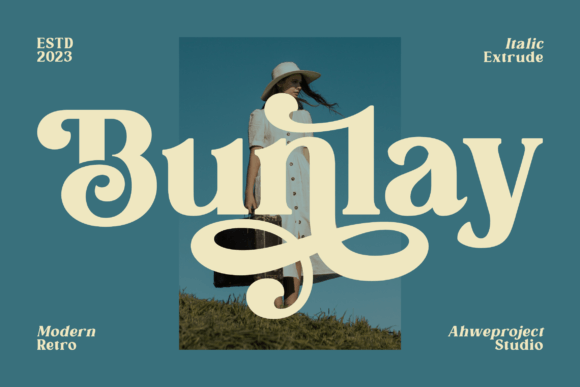
Finding a typeface that feels both timeless and personal can be a challenge. Many serif fonts lean heavily into formality, while script fonts can sacrifice readability. Bunlay strikes a unique balance. It’s a premium font that feels like a discovered treasure, carrying the warmth of a handwritten note from a favorite aunt or the elegant script on a vintage wedding invitation. Its visual personality is defined by a gentle, flowing rhythm and subtle irregularities that give it an authentic, handcrafted quality. The letterforms are rooted in classic serif traditions but are softened with a playful, almost whimsical touch. This isn't a cold, geometric typeface; it's a creative font designed to evoke emotion and a sense of connection.
What truly sets Bunlay apart is its incredible versatility as a display font. While it possesses a strong personality, it avoids being overly stylized to the point of being illegible. The x-height is generous, and the character spacing is carefully considered, ensuring it remains legible even at smaller sizes. This makes it a practical choice for more than just headlines. Its true strength lies in its ability to add instant character to a project, transforming a simple layout into something with depth and story. Whether you're crafting a brand identity for a boutique bakery or designing social media graphics for a lifestyle blogger, Bunlay delivers an incredible vintage aesthetic without feeling dated.
Practical Applications: From Logo Design to Packaging
As a designer or business owner, your font choice is a strategic decision. Bunlay excels in scenarios where you want to communicate authenticity, craftsmanship, and a touch of nostalgia. In logo design, it can become the cornerstone of a brand's visual identity, especially for businesses in the wedding industry, artisanal goods, cafes, or boutique retail. It suggests a hands-on, quality-focused approach. For packaging design, using Bunlay on labels, tags, or boxes can make a product feel more premium and thoughtfully presented. Imagine it on a jar of homemade jam, a scented candle, or a line of organic skincare—it instantly elevates the perceived value.
In the digital realm, Bunlay works beautifully for web design headers, hero text, and call-to-action buttons where you want to make an emotional impact. It’s also a fantastic choice for editorial design, adding personality to magazine layouts, blog post titles, and chapter headings in self-published books. For social media graphics, it can help your posts stand out in a crowded feed, particularly for quotes, announcements, and promotional materials. The key is to use it strategically. It pairs exceptionally well with a clean, neutral sans serif font for body text, creating a beautiful contrast that guides the reader's eye and establishes a clear visual hierarchy.
Making the Most of Bunlay in Your Projects
Before integrating any new design asset, it's wise to evaluate its fit. Start by examining the full character set. Bunlay is PUA encoded, which means you have access to a wealth of stylistic alternates, swashes, and ligatures. This allows for significant customization. You can tailor the look of specific words or letters to fit your exact vision, adding flourishes for a more ornate feel or using simpler alternates for a cleaner look. Spend time exploring these options within your design software.
Testing is crucial. Create mockups of your potential project—whether it's a business card, a website mockup, or a social media post—and see how Bunlay performs in context. Pay close attention to readability at the sizes you plan to use it. While it’s a legible serif font, always check its performance in your specific application. Experiment with font pairing. A great starting point is to combine it with a geometric or humanist sans serif. The contrast in style and structure will make both fonts shine and ensure your body copy is easy to read.
Finally, consider the licensing. Bunlay is a commercial font, so you need to ensure your license covers your intended use, whether for personal projects, client work, or commercial products like merchandise. The included styles—often a regular, italic, and perhaps bold weights—should be reviewed to see if they meet the demands of your project's typographic scale. Used thoughtfully, Bunlay is more than just a font; it's a tool for building a cohesive and emotionally resonant brand identity. It helps you tell a story of care, quality, and timeless style, making it a valuable addition to any designer's or creator's toolkit.