February Font: Crafting Minimalist Designs with a Touch of Warmth
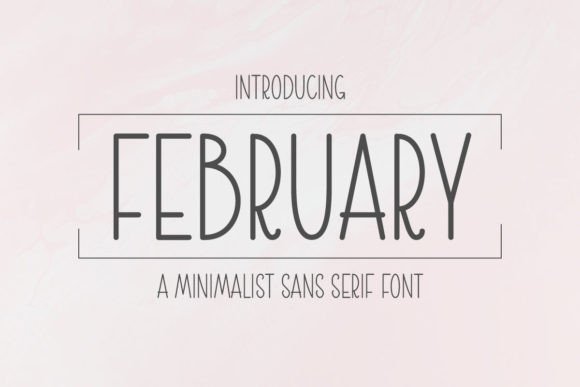
There’s a particular challenge in finding a typeface that feels both clean and full of character. Too minimalist, and it can feel cold or generic. Too decorative, and it risks overwhelming the message. The February font sits in that rare, sweet spot. It’s a sans serif, yes, but one with a distinct personality—approachable, gentle, and unmistakably modern. Imagine the quiet confidence of a well-designed greeting card or the understated elegance of a wedding invitation; that’s the space February inhabits with ease.
Visually, February is defined by its simplicity and subtle charm. The letterforms are clean and uncluttered, with consistent stroke widths that give it a harmonious, balanced rhythm. There’s a softness to the curves and terminals that prevents it from feeling sterile, a quality that makes it incredibly versatile. It doesn’t shout for attention, but it holds it through its refined clarity. This isn’t a display font that relies on dramatic swashes or intricate details; its power lies in its restraint and modern typography sensibility.
Where This Creative Font Truly Comes Alive
The true test of a typeface is how it performs in the wild. February excels in applications where clarity and a touch of personality are paramount. Think of the tangible, personal projects: the gift labels on a homemade present, the mugs with a witty quote, or the t-shirts for a small community event. Its legibility at various sizes makes it a reliable choice for these everyday items. For greeting cards and wedding invitations, it provides a contemporary foundation that pairs beautifully with more ornate script fonts or delicate serif fonts for contrast.
Beyond personal crafts, its applications are broad in professional settings. In packaging design, especially for boutique products, February can communicate a brand’s commitment to clean, thoughtful design. For social media graphics, it offers readability and a modern feel that cuts through the noise without being aggressive. It’s also a strong contender for web design elements like navigation menus, subheadings, or short blocks of text where a sans serif font is needed but with more warmth than the default system fonts.
Building a Cohesive Brand Identity
Choosing a font is a strategic decision that directly influences brand perception. Using February consistently across your logo design (as a supporting typeface), website, marketing materials, and product packaging helps build a cohesive and recognizable identity. Its friendly yet professional demeanor can make a brand feel accessible and trustworthy. For a small business owner or entrepreneur, this consistency is what transforms a collection of assets into a memorable brand identity. It signals attention to detail and a clear aesthetic vision.
However, context is everything. While February is a versatile creative font, it’s not a one-size-fits-all solution. It thrives in projects that aim for a minimalist, clean, or friendly aesthetic. For a luxury brand seeking extreme opulence, a different premium font might be more appropriate. Similarly, for long-form body text in a book or lengthy report, its sister serif font or a highly optimized sans serif designed for extended reading might be a better pairing. The key is to evaluate the project’s goals and audience first.
Practical Guidance for Using February
Integrating a new typeface into your workflow is more than just a download. First, consider the font pairing. February’s simplicity makes it an excellent partner. Try pairing it with a classic serif for a timeless editorial look in editorial design, or with a flowing script font for elegant invitations. Experiment with contrast—pair its clean lines with a textured handwritten font for a dynamic, approachable feel in packaging design or social media posts.
Always test the font in your specific application. Check its readability on different screen sizes for web design projects. Print a sample on the exact material you plan to use for physical products like labels or apparel. Review the full character set and included styles; many commercial font licenses offer multiple weights or alternates that can add valuable flexibility to your designs.
Finally, understand the licensing. If you’re using February for a client project, merchandise for sale, or widespread distribution, ensure you have the appropriate commercial font license. This protects you legally and supports the type designers who create these invaluable design assets. Taking these practical steps ensures that February works for you, not against you, allowing its minimalist charm to enhance your projects effectively and professionally.