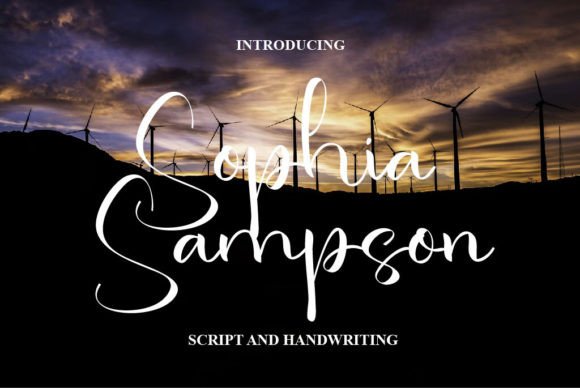
Sophia Sampson: Infusing Handmade Charm into Modern Design
There is a specific kind of warmth that digital typography often struggles to capture. We spend so much time perfecting vector paths and geometric precision that we sometimes lose the human element. That is exactly where Sophia Sampson steps in. It is not just another script font in your library; it is a distinct voice. As a handwritten font, it bridges the gap between the polished look of professional design and the intimate feeling of a personal note. For designers, brand strategists, and content creators, this typeface offers a solution to the "coldness" that can sometimes plague digital communication. It brings a playful, yet legible, personality to the table, ensuring that your message feels approachable before the reader even processes the words.
What makes this typeface stand out in a saturated market of creative fonts? It comes down to the "imperfections." Sophia Sampson embraces the natural irregularities of hand-lettering. The baseline isn't rigidly straight, and the stroke weight varies subtly as it would with a real pen. These details are crucial for creating designs that feel authentic. In an era where audiences crave genuineness, using a font that mimics the nuances of human touch can significantly boost engagement. It avoids the overly formal rigidity of a standard serif font or the neutrality of a sans serif font, offering instead a dynamic visual texture that draws the eye.
The Visual Anatomy of Sophia Sampson
Understanding the visual characteristics of a typeface is essential for proper implementation. Sophia Sampson is best described as a modern script font with a distinct whimsical flair. It features smooth, flowing connections between letters that maintain a natural rhythm. Unlike some calligraphic fonts that can be difficult to read at smaller sizes, this font prioritizes legibility. The letter spacing is carefully crafted to ensure words don’t blur together, which is a common pitfall in display font design. The terminals—the ends of the strokes—have a soft, rounded quality, contributing to the overall friendly aesthetic.
The font’s versatility lies in its balance. It is expressive enough to serve as a focal point in a layout, yet it doesn't scream for attention in a way that overwhelms the content. When you look at the letterforms, you will notice a consistency in the slant and the x-height, which grounds the design. This is particularly important for entrepreneurs and small business owners who need their branding to look professional but approachable. It functions well as a standalone hero font or as a supporting element in more complex typographic hierarchies.
Strategic Applications: Where Sophia Sampson Shines
Choosing the right medium for a handwritten font is just as important as choosing the font itself. Sophia Sampson excels in environments where connection and personality are paramount. Here is a breakdown of how different professionals can leverage this typeface:
Branding and Logo Design
For businesses in the lifestyle, wellness, food, or artisan sectors, logo design is about storytelling. Sophia Sampson can form the core of a brand identity that values craftsmanship. It works beautifully for bakery logos, boutique clothing tags, or personal coaching brands. However, a word of caution from a brand strategy perspective: ensure the font aligns with your service offering. A law firm might find it too casual, but a wedding planner will find it essential. When used in branding, it creates an immediate emotional hook, suggesting that the business is run by real people who care about their craft.
Editorial and Packaging Design
In editorial design, such as magazine headers or blog post titles, this font breaks the monotony of body text. It provides a visual hierarchy that guides the reader’s eye to the most important information. In packaging design, particularly for handmade goods or organic products, the irregularities of Sophia Sampson suggest that the product inside is unique. It works wonders on coffee bags, candle labels, and cosmetic packaging where shelf appeal is driven by authenticity.
Digital Presence and Social Media
The digital space is crowded. To stand out on social media graphics, you need to stop the scroll. A handwritten font like Sophia Sampson adds a layer of personality that standard web fonts lack. It is perfect for Instagram quotes, sale announcements, or YouTube thumbnails. When used in web design, it is best reserved for headlines or accent text rather than long-form body copy, ensuring the site remains accessible and easy to scan. It pairs exceptionally well with a clean sans serif font for the body text, creating a balanced modern typography layout.
Mastering Typography: Pairings and Hierarchy
No font is an island. The true power of a premium font like Sophia Sampson is realized when it is paired correctly. Because it has a strong personality, it requires a partner that is quiet and supportive.
The Classic Contrast: Pair Sophia Sampson with a geometric sans serif font. The clean lines of the sans serif will ground the whimsical nature of the script. This combination works well for website headers and business cards.
The Editorial Mix: Combine it with a traditional serif font. The contrast between the structured serifs and the loose, flowing script creates a sophisticated yet approachable vibe, often seen in high-end lifestyle magazines.
Visual Hierarchy: Use Sophia Sampson for your primary call to action or main headline. Use your secondary font for subheadings and body text. This ensures that the handwritten element draws attention without causing visual fatigue.
Practical Implementation and Licensing
Before integrating any new design assets into your workflow, practical considerations must be addressed. First, always review the licensing. If you are using Sophia Sampson for a client’s commercial project—such as merchandise, printed materials, or a monetized website—you must ensure you hold a commercial license. Most premium fonts require a specific license for mass reproduction or digital distribution.
Next, test the font across different mediums. A font can look stunning on a high-resolution screen but muddy when printed on textured paper. Print a test sheet of your packaging design to see how the strokes hold up. Check the font on mobile devices to ensure the "handmade" feel translates to smaller screens without becoming illegible. Look for features like ligatures (alternative character connections) and stylistic alternates. These features allow you to customize the look of the text so that it doesn't look repetitive, which is a dead giveaway of a generic digital design.
Finally, consider the context of your audience. If your target demographic is older or values tradition, the playful nature of Sophia Sampson might need to be tempered with more conservative spacing. If your audience is younger and trend-focused, you can lean into the bold, expressive nature of the font.
The Human Element in a Digital World
In conclusion, typography is more than just selecting letters; it is about setting a tone. Sophia Sampson offers a valuable tool for anyone looking to inject warmth and authenticity into their visual communication. It moves beyond the cold efficiency of standard system fonts to offer something that feels lived-in and real. Whether you are designing a wedding invitation, building a brand identity for a startup, or crafting a social media campaign, this handwritten font provides the personality needed to make a lasting impression. By understanding its strengths and pairing it thoughtfully, you can elevate your work from merely functional to truly memorable.