Randomly: Embracing the Charm of Unpredictable Typography
There is a specific kind of magic that happens when typography refuses to sit still. In a digital landscape saturated with geometric sans-serifs and predictable serifs, finding a typeface that feels genuinely alive is rare. Enter Randomly, a brilliantly designed display font that doesn't just break the rules—it rewrites them entirely. If you have ever felt constrained by the uniformity of standard sizing, this font offers a refreshing, chaotic liberation. It is designed for those who want their text to have a voice, a rhythm, and a distinct personality before the reader even processes the words themselves.
Visual Characteristics and The "Broken" Grid
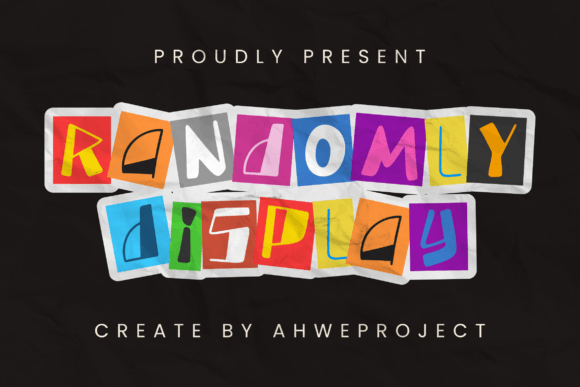
At its core, Randomly is a masterclass in controlled chaos. The defining feature of this typeface is its refusal to adhere to a standard baseline or cap height. Instead, each letter boasts a unique array of sizes, creating a visual texture that mimics hand-placed vintage signage or old-school ransom notes. However, unlike true chaos, there is a sophisticated design logic at play. The varying sizes create a natural visual hierarchy, guiding the eye through the text in a playful, bouncing motion.
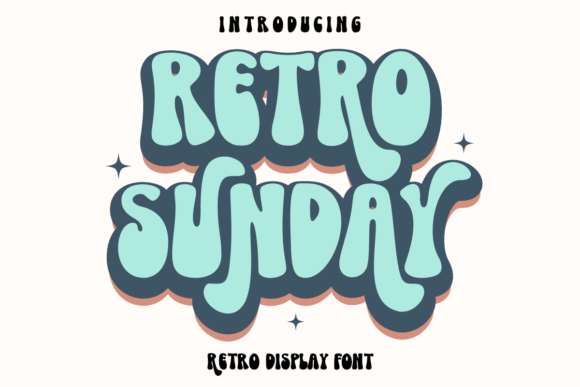
The style leans heavily into a retro vibe, channeling the nostalgia of mid-century advertising and 1970s editorial design. It feels familiar yet fresh. While it is technically a display font, it carries the weight of a serif font mixed with the casualness of a handwritten font. This unique blend allows it to stand out in logo design and headlines where grabbing attention is the primary goal. It is not just a creative font; it is a conversation starter.
Strategic Applications: Where Randomly Shines
Understanding where to deploy a font like Randomly is key to its success. Because of its irregular sizing, it is strictly a display typeface. You wouldn't use it for body copy in a whitepaper, but you absolutely should use it to make that whitepaper’s cover impossible to ignore.
Here are the most effective environments for this premium font:
- Branding and Logo Design: For brands that want to convey authenticity, quirkiness, or a vintage aesthetic, Randomly is a perfect fit. It works exceptionally well for craft breweries, retro diners, independent record labels, or artisanal bakeries.
- Packaging Design: On a shelf, uniformity can sometimes lead to invisibility. The irregular rhythm of this typeface creates movement on the label, drawing the consumer's eye to the product name.
- Social Media Graphics: In the fast-scrolling environment of Instagram or TikTok, static text often gets ignored. The "bouncing" nature of Randomly creates immediate visual interest, stopping the scroll and increasing engagement.
- Editorial Design: Use it for pull quotes or magazine headers. It adds a layer of tactile, human energy that digital layouts often lack.
Influence on Brand Perception and Readability
Typography is the silent ambassador of your brand identity. Choosing Randomly sends a clear signal: your brand is confident, approachable, and unafraid to be different. It moves a brand away from "corporate stiffness" and toward "creative authenticity." However, this comes with a responsibility to maintain balance.
Because the letterforms vary in size, readability requires careful management. While it is perfect for short bursts of text—like a headline or a logo mark—using it for long sentences can cause eye strain. The brain works harder to process words when the baseline is constantly shifting. Therefore, it is best paired with a highly legible sans serif font or a clean serif font for supporting text. This contrast allows Randomly to do the heavy lifting for attention, while the secondary font delivers the detailed information.
Practical Guidance for Implementation
If you are considering integrating this typeface into your toolkit, here is how to ensure a professional result:
- Evaluate Project Fit: Ask yourself if the project requires stability or energy. If the goal is to convey trust and safety (like a bank), stick to traditional modern typography. If the goal is to convey fun, nostalgia, or creativity, Randomly is the right choice.
- Master the Font Pairing: Avoid pairing Randomly with other decorative fonts. It will result in a visual clash. Instead, pair it with a geometric sans-serif for a modern-retro mix, or a classic serif for a vintage editorial look. The stability of the partner font will anchor the wildness of Randomly.
- Check Commercial Licensing: Before using it in client work or merchandise, ensure you have the correct commercial font license. This is a design asset that protects your work and respects the foundry.
- Test at Scale: Always view the font at the size you intend to use it. The charm of the irregular sizing is most effective at larger scales where the details of the typeface can be appreciated.
Ultimately, Randomly is more than just a collection of glyphs; it is a tool for visual storytelling. It allows designers, marketers, and creators to inject a dose of humanity and nostalgia into their work. By respecting its unique characteristics and pairing it thoughtfully, you can create designs that are not only visually striking but deeply memorable.