Cowboy Hat: The Slab Serif That Demands Attention
There are times in design when you need a font that doesn’t just sit quietly on the page but instead rides in and takes control of the composition. Cowboy Hat is exactly that kind of typeface. It is a bold, assertive slab serif that commands respect the moment you type the first letter. If you have ever struggled to find a typeface that bridges the gap between rugged durability and high-end sophistication, this is a font you need to explore.
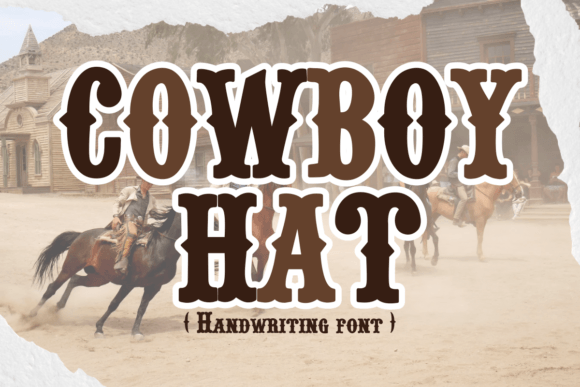
At its core, Cowboy Hat is a display font designed to make a statement. The defining characteristic here is the slab serif construction. Unlike the delicate, hairline serifs of a traditional Times New Roman or the clean, sans serif lines of Helvetica, the serifs on Cowboy Hat are thick, blocky, and structural. This gives the letterforms a heavy, grounded appearance. It feels stable. It feels permanent. But what sets this specific typeface apart is how it balances that weight with a sense of style. It isn’t just a block of text; it has personality. It feels like modern typography with a nod to vintage Americana, making it incredibly versatile for contemporary branding.
Visual Personality and Style
When you look at the anatomy of Cowboy Hat, you see strong vertical stress and a high x-height. In practical terms, this means the lowercase letters are tall and prominent relative to the uppercase letters, which enhances legibility even at smaller sizes. The strokes have a pleasing consistency that avoids the distraction of extreme contrast, yet they retain enough character to look hand-crafted rather than robotic.
The style is undoubtedly confident. It leans into a "heritage" aesthetic without feeling outdated. Think of the typography you might see on a high-end artisanal coffee bag, a craft brewery label, or the masthead of an outdoor lifestyle magazine. That is the territory Cowboy Hat occupies. It feels authentic. It has a texture to its voice that says, "We take our work seriously." For designers working on logo design, this font provides a solid foundation that is easy to build around.
Where to Use This Creative Font
The versatility of Cowboy Hat is one of its strongest assets. Because it is a premium font, it comes with the refinement necessary for professional application. Here is where I have seen this typeface truly shine:
Branding and Brand Identity
If you are building a brand identity for a client that needs to convey strength, reliability, or creativity, Cowboy Hat is a strong contender. It works exceptionally well for:
- Entrepreneurs and Startups: If you are launching a clothing line, a gym, or a tech startup that wants to avoid looking "corporate," this font adds an edge.
- Small Business Owners: From bakeries to landscaping services, the font feels approachable yet professional. It suggests a business that is established and trustworthy.
Editorial Design and Publishing
In editorial design, hierarchy is everything. You need headlines that grab the reader's eye immediately. Cowboy Hat serves as an incredible display font for headers and pull quotes. It pairs beautifully with a clean sans serif font for body copy. Imagine a magazine spread where the headlines are set in Cowboy Hat—bold, black, and imposing—while the body text is a light, readable sans serif. The contrast creates a dynamic visual flow that guides the reader through the content.
Packaging and Product Design
Packaging is often the first physical touchpoint a customer has with a product. Packaging design requires typefaces that are readable from a distance and convey the product's essence instantly. Cowboy Hat has the structural integrity to hold up on labels, boxes, and tags. Whether it is a hot sauce label or a candle box, the font adds a layer of perceived value to the product.
Digital Presence and Web Design
While you might not use a heavy slab serif for your entire blog post, web design benefits greatly from strong headings. Using Cowboy Hat for your H1 and H2 tags can break up the monotony of standard web fonts. It makes a website feel custom-designed rather than template-based. For social media graphics, where you have about two seconds to stop a user from scrolling, the bold nature of this font is a significant advantage. It pops off the screen.
The Strategic Impact on Your Projects
Choosing a font is rarely just about aesthetics; it is about strategy. The typeface you select influences how your audience perceives your message. Here is how Cowboy Hat impacts specific design elements:
- Visual Hierarchy: Because of its weight and presence, Cowboy Hat naturally sits at the top of the hierarchy. It tells the viewer, "Read this first." It is an excellent tool for establishing order in complex layouts.
- Brand Perception: Fonts have psychology. Slab serifs are often associated with confidence, stability, and friendliness. By using Cowboy Hat, you are positioning a brand as approachable but strong. It avoids the coldness of some geometric sans serifs while maintaining modern professionalism.
- Audience Engagement: A unique font creates curiosity. If your marketing materials look generic, they get ignored. If they look distinct and intentional, people engage. Cowboy Hat offers that distinctiveness.
Practical Guidance for Designers and Creators
If you are considering adding Cowboy Hat to your design assets, here is some practical advice on how to get the most out of it.
Evaluating Project Fit
Before downloading, look at the "vibe" of your project. Cowboy Hat is assertive. If you are designing a wedding invitation for a delicate, romantic theme, this might not be the right fit—perhaps a script font or handwritten font would be better. However, if the wedding has a rustic, barn, or western theme, Cowboy Hat could be perfect for the headers. Always match the font's personality to the project's mood.
Testing Font Pairings
Great design is rarely about a single font; it is about the conversation between fonts. Cowboy Hat pairs exceptionally well with:
- Geometric Sans Serifs: Fonts like Montserrat or Futura provide a clean, modern counterpoint to the rugged slab serifs of Cowboy Hat.
- Simple Serifs: For a more traditional look, pairing it with a transitional serif like Georgia can create a classic, literary feel.
- Subtle Scripts: If you want to add a touch of elegance, use a restrained script font for accents (like "and" or "est. 2024") alongside Cowboy Hat headings.
Readability Considerations
As a display font, Cowboy Hat is optimized for headlines and short bursts of text. While it is legible, using a heavy slab serif for long paragraphs of body text (10pt or smaller) can cause eye strain for the reader. Stick to using it for impact. Let the font do the heavy lifting in the headlines, and choose a lighter, more neutral typeface for the supporting text. This contrast ensures your message is both seen and read comfortably.
Licensing and Usage
Since this is a professional commercial font, always ensure you have the correct license for your specific use case. If you are a freelancer creating a logo for a client, make sure the license covers commercial use. If you are a large corporation using it in a global advertising campaign, verify the terms of service. Respecting licensing not only keeps you legal but supports the typographers who create these high-quality design assets.
Conclusion
In the crowded world of digital assets, finding a typeface that is both functional and full of character is rare. Cowboy Hat succeeds because it understands its role. It is a bold, assertive slab serif that brings a sense of authority and style to any project it touches. Whether you are a marketer designing a landing page, a publisher laying out a book cover, or a crafter making merchandise, this font provides a reliable, high-quality foundation. It elevates your work from generic to memorable, proving that sometimes, the right hat makes all the difference.