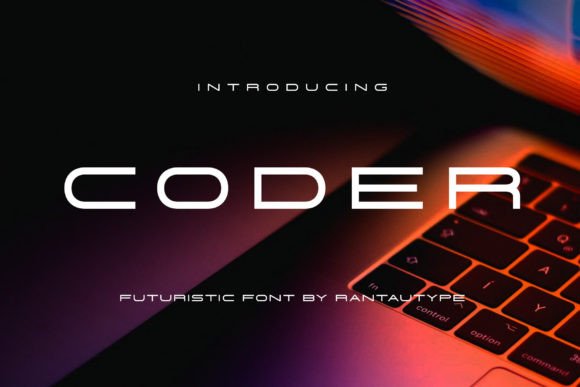
Coder: The Modern Sans Serif for Digital-First Brands
When you are building a brand in the tech space, or simply designing for a modern audience, your typography speaks before you do. You need a typeface that feels intelligent, efficient, and sleek. Enter Coder, a premium font that captures the essence of digital precision without sacrificing readability. It isn’t just another geometric design; it is a wide, futuristic sans-serif that commands attention through its clean lines and sharp edges. If your project requires a bold, professional aesthetic that feels at home on a screen, this is the typeface to watch.
A Visual Profile of Precision and Space
At its core, Coder is defined by its geometry. Unlike traditional grotesque sans-serifs that often mimic the organic curves of handwriting, Coder embraces the grid. The letterforms are constructed with mathematical consistency, giving the text a rhythmic, almost monospaced feel, even though it is a proportional font. The "wide" aspect of its design is crucial here; the characters breathe. They don’t crowd each other. This openness makes Coder exceptionally legible at smaller sizes, which is vital for web design and app interfaces where clarity is non-negotiable.
The personality of this typeface is undeniably modern. It carries a "futuristic" vibe that avoids looking like a cheesy sci-fi movie prop. Instead, it channels the sophistication of high-end tech branding. The sharp edges suggest accuracy and logic, while the clean lines imply transparency and honesty. For designers working on brand identity projects, Coder offers a voice that is authoritative yet approachable. It says, "We are experts, and we are here to help." It lacks the frivolity of a script font or the stuffiness of a traditional serif font, landing perfectly in the sweet spot of contemporary design assets.
Where Coder Shines: Applications and Use Cases
Understanding where to deploy a creative font like Coder is half the battle. Because it is a display font at heart, it excels in environments where you need to make a statement quickly. Think of the hero section of a landing page or the masthead of a digital magazine. When used in large point sizes for headlines, Coder’s geometric structure creates a strong visual anchor that guides the user’s eye.
However, don’t limit yourself to just digital screens. The font translates surprisingly well to print, particularly in editorial design and packaging design for tech products, gadgets, or modern lifestyle goods. Imagine a minimalist matte black box with the product name set in Coder. The sharp edges of the letters would contrast beautifully against the soft texture of the packaging, creating a tactile experience that feels premium.
For small business owners and entrepreneurs, this typeface is a versatile tool for marketing materials. Whether you are designing social media graphics for Instagram stories, a pitch deck for investors, or a whitepaper, Coder maintains its composure. It provides the consistency needed to build a recognizable brand voice across different mediums. It works beautifully for:
- Tech Startups: Perfect for logos, UI copy, and investor decks.
- Bloggers and Publishers: Excellent for article titles and pull quotes that need to pop.
- Marketers: Ideal for call-to-action buttons and email subject lines due to its high visibility.
- App Developers: Great for interface headers and splash screens.
Strategic Typography: Influence on Brand Perception
Choosing a font is a strategic decision, not just an aesthetic one. When you select a sans serif font like Coder, you are actively shaping how your audience perceives your brand. In the world of typography, round shapes often imply friendliness and safety, while sharp, angular shapes imply speed and intelligence. Coder leans heavily into the latter. By utilizing this typeface, you are positioning your brand as forward-thinking and innovative.
This is particularly important for visual hierarchy. A common mistake in design is using typefaces that are too similar for headings and body text. Coder demands space. It works best when allowed to dominate the hierarchy. Pair it with a more neutral, highly legible serif font or a simple sans-serif for body copy. For example, using Coder for your H1 and H2 tags, combined with a standard text font for paragraphs, creates a clear distinction between "scannable" information and "detailed" reading. This improves the user experience significantly, keeping visitors on your page longer.
Practical Guide: Evaluating and Implementing Coder
If you are considering adding Coder to your library of design assets, there are a few practical steps to ensure it’s the right fit. First, always test the font pairing. Because Coder is stylistic and bold, it can clash with other decorative fonts. Avoid pairing it with a handwritten font or an overly ornate serif font; the visual styles will fight for dominance. Instead, look for a "quiet" partner—a font that steps back and lets Coder do the heavy lifting.
Next, review the included styles. A professional commercial font usually comes with various weights—Light, Regular, Medium, Bold, and Black. Check how the weight affects the legibility of Coder. Sometimes, a geometric font can look too thin at "Regular" weight on low-resolution screens, so you might need to bump it up to "Medium" for web design applications. Also, look for OpenType features. Does it include alternate characters or ligatures? These small details allow you to customize the typography and make your design feel unique rather than generic.
Finally, consider the licensing. If you are a freelancer or a small business owner, ensure the license covers your specific needs. A premium font license typically covers desktop use (for logos and print) and web use (for your website via WOFF files). If you plan to use the font in a mobile app or software, you may need an "app license" or "server license." Always read the End User License Agreement (EULA) to avoid legal headaches down the road.
Readability vs. Style
It is tempting to use a futuristic font like Coder for everything, but readability must remain your priority. This typeface is designed to be a workhorse for display text, but setting long-form body copy entirely in Coder might tire the reader's eyes. The wide geometry, while beautiful, takes up more horizontal space, meaning fewer words per line. For long blog posts or articles, stick to using Coder for headers and sub-headers. This creates a rhythm in your layout that is easy to scan. Use the font to break up content and highlight key takeaways, ensuring that your audience engages with the most important parts of your message.
The Bottom Line on Coder
In a crowded digital landscape, standing out requires tools that are both functional and stylish. Coder is more than just a collection of letters; it is a design asset that communicates competence and modernity. Whether you are rebranding a tech startup, designing a new app interface, or creating a sleek portfolio, this sans-serif typeface provides the geometric precision and professional edge you need. It bridges the gap between technical utility and artistic expression, making it a valuable addition to any creative professional's toolkit. By integrating Coder into your workflow, you aren't just choosing a font; you are choosing to present your work with clarity, confidence, and a vision for the future.